Understanding Emotional Exhaustion Through Vedic Wisdom
Everyone comes to you when something goes wrong.
Your family calls.
Your colleagues depend on you.
Friends tell you their problems.
You listen. You advise. You organise. You solve.
When something falls apart, you somehow become the person expected to hold everything together.
And usually, you do.
But when the house is quiet and the phone stops ringing, another question can surface:
“Who looks after me?”
You may not even know how to answer it.
Because somewhere along the way, being strong stopped being something you did.
It became who everyone expected you to be.
And now you may be tired in a way that sleep doesn't completely fix.
Not just physically tired. Emotionally tired from always having to hold yourself together.
When Being Strong Becomes a Role
Being dependable can quietly become part of your identity.
You become the person who:
- stays calm during family problems
- takes responsibility when others step back
- supports everyone emotionally
- keeps working when you're exhausted
- rarely asks for help
- says, “I'm fine,” when you're not
People may appreciate you for it.
They may even say:
“I don't know what we'd do without you.”
It sounds like appreciation.
But sometimes, you may hear something underneath it:
“You are not allowed to fall apart.”
That can become a lonely place.
The Strong Person Often Has Nowhere to Put Their Own Feelings
When you're used to managing everyone else's emotions, you can become very good at asking:
“What can I do?”
Someone is upset. You fix.
Someone is angry. You manage.
Someone needs help. You respond.
But when you feel overwhelmed, you may not even recognise what you need.
You simply keep going.
Until something small becomes the final straw.
A minor comment.
A delayed response.
A small disappointment.
And suddenly you feel like crying, withdrawing or shouting.
Then you wonder:
“Why am I reacting so strongly?”
Perhaps it wasn't that one thing.
Perhaps it was everything you had been carrying before it.
Emotional Exhaustion Doesn't Always Look Dramatic
You may still be functioning perfectly well.
You go to work.
Answer messages.
Handle responsibilities.
Show up.
From the outside, everything looks fine.
Inside, you may feel:
- irritated by small requests
- unusually quiet
- emotionally numb
- desperate to be alone
- unable to enjoy things
- impatient with people you love
- as though everyone needs something from you
- like you have nothing left to give
That last feeling matters.
You can be functioning and still be emotionally depleted.
Why Don't You Ask for Help?
This is often the harder question.
Perhaps you don't want to burden anyone.
Perhaps you don't trust that someone else will handle things properly.
Perhaps you learned to be independent very early.
Or perhaps being needed has become so closely connected with your identity that receiving help feels uncomfortable.
So you keep saying:
“I'll manage.”
And you do.
But managing everything alone has a cost.
The Hidden Belief Behind Hyper-Independence
Sometimes the strong person carries an unspoken belief: “If I don't handle it, nobody will.”
That belief can be useful during a crisis.
But if it becomes your permanent operating system, you may start carrying responsibilities that could be shared.
You solve problems other people could solve themselves.
You anticipate everyone's needs.
You become indispensable.
Then eventually, you wonder why nobody helps.
There is an uncomfortable paradox here:
Sometimes people don't support you because you have never allowed them to see that you need support.
Strength and Suppression Are Not the Same Thing
There is a difference between emotional strength and emotional suppression.
Strength can mean: “I can experience difficult emotions without being destroyed by them.”
Suppression can look like: “I am not allowed to experience difficult emotions.”
The first creates resilience.
The second creates pressure.
You don't become stronger by pretending nothing affects you.
Sometimes strength is simply being able to say:
“This is too much for me right now.”
What Does Vedic Wisdom Say About Emotional Strength?
Vedic traditions do not reduce inner strength to becoming emotionless.
The aim is not to stop feeling.
It is to develop greater awareness of the mind and its movements.
You can experience sadness without becoming consumed by it.
You can experience fear without allowing fear to make every decision.
You can experience anger without acting destructively.
You can acknowledge exhaustion without believing that needing rest makes you weak.
The deeper practice is:
“I can observe what I am experiencing and respond consciously.”
That is different from pretending everything is fine.
What Does Vedic Astrology Say About Carrying Too Much?
Vedic astrology can provide a traditional framework for exploring themes such as emotional resilience, responsibility, service, pressure, identity and inner security.
But no single planet means:
“You are the strong one.”
A meaningful interpretation requires the complete chart.
Depending on the question, several factors may be relevant.
The Moon
Traditionally associated with the mind, emotional responses, habits and subjective experience.
The Sun
Associated with identity, authority, vitality and selfhood. It can become relevant when being capable, responsible or in control is closely tied to identity.
The 4th House
Associated with emotional foundations, inner peace, home and security. It can be relevant when family responsibilities or emotional support are central.
The 6th House
Associated with service, work, responsibilities, challenges and daily demands. It may become relevant when life feels dominated by obligations.
The 10th House
Associated with profession, responsibility, authority and public role. It can matter when being “the responsible one” is strongly connected with career identity.
The 12th House
Associated with withdrawal, rest, isolation, expenditure and release. It can become relevant when retreat and restoration become important themes.
The 8th house may also become relevant when vulnerability, deep emotional change or experiences that challenge one's sense of control are central to the situation.
Mahadasha and Antardasha Add Another Layer
You may have been responsible and independent for years.
Yet there can be periods when the pressure feels unusually intense.
This is where Mahadasha and Antardasha can add timing context.
Instead of asking only:
“Why am I like this?”
you can also ask:
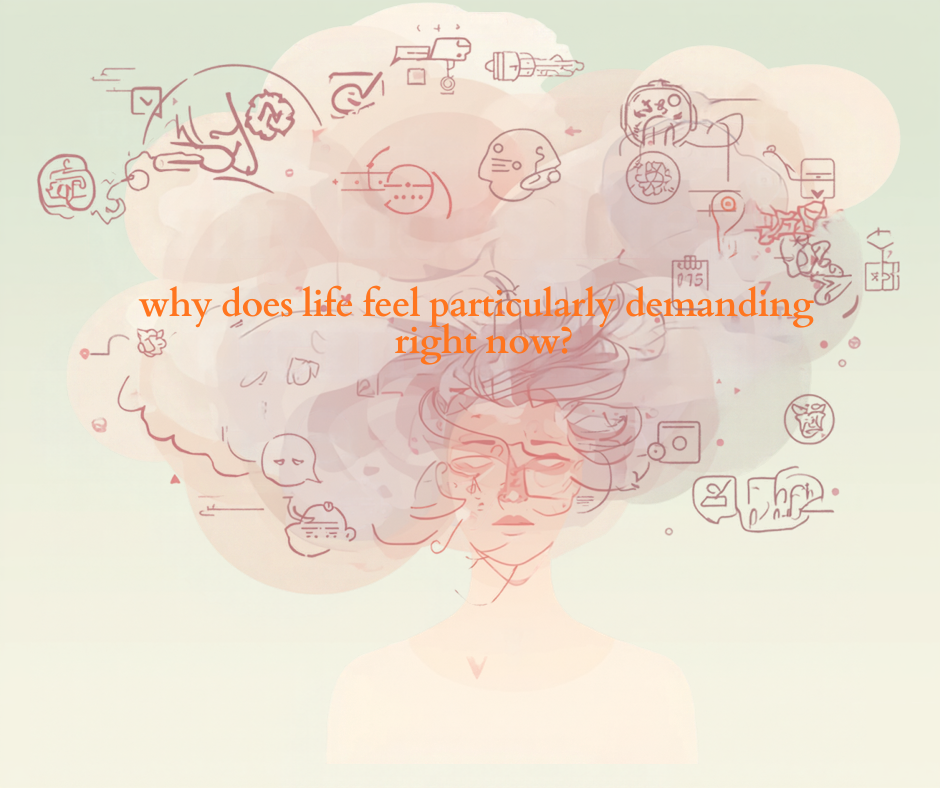
“Why does life feel particularly demanding right now?”
A planetary period can be examined alongside the birth chart to understand which areas of life may be receiving greater attention.
The interpretation should always connect back to your actual circumstances.
Astrology can provide a framework for reflection. It should not replace practical judgment.
What Happens When People Are Used to Your Strength?
This can be difficult.
When you have always been available, your unavailability may surprise people.
When you have always solved problems, your request for help may confuse them.
When you have always said yes, your first no may feel unusually large.
Someone may ask:
“What happened to you?”
Perhaps nothing happened.
Perhaps you simply noticed that your old way of functioning was no longer sustainable.
Changing your behaviour doesn't necessarily mean you've changed for the worse.
Sometimes it means you have finally noticed your limits.
You Don't Have to Earn Rest
Some people treat rest as a reward.
They work until everything is finished.
Then they rest.
But responsibilities rarely finish completely.
There is always another email.
Another family matter.
Another task.
Another problem.
If rest is only allowed after everything is done, you may never rest.
Rest is not proof that you failed to cope.
It is part of maintaining your ability to cope.
Try the “What Am I Carrying?” Exercise
Take a sheet of paper and write down everything currently feeling like a responsibility.
Then divide it into three categories:
Mine
Things that genuinely require your involvement.
Shared
Things where responsibility can be divided.
Not Mine
Problems, emotions or decisions that primarily belong to someone else.
You may discover that you are carrying some things because you can, not because you must.
That distinction matters.
Stop Automatically Solving Every Problem
The next time someone brings you a problem, don't immediately provide the solution.
Try asking:
“What do you think you should do?”
Or:
“Do you want advice, or do you just want me to listen?”
You can support someone without becoming responsible for solving their problem.
Sometimes the most helpful thing you can offer is listening rather than fixing.
And you are allowed to say:
“I don't know.”
“I need time to think.”
“I can't handle this today.”
“I need help.”
These sentences don't reduce your strength.
They make it human.
Maybe You Don't Need to Become Stronger
Perhaps you have been asking the wrong question.
Maybe you don't need to become stronger.
Maybe you need to stop carrying everything.
If someone is carrying a weight they don't need to carry, the answer isn't always to train them to carry more.
Sometimes the answer is much simpler:
Put the weight down.
You don't have to be the strongest person in every room.
You can be tired.
You can be uncertain.
You can ask for help.
You can let someone else take responsibility.
None of that erases the strength you've already demonstrated.
AskVedicaa: Why Am I Carrying So Much Right Now?
Sometimes emotional exhaustion isn't simply about personality.
You may be going through a phase where family responsibilities, professional pressure, relationships or inner change have become unusually intense.
That is where a personalised Vedic exploration can become useful.
You might ask:
- Why do I feel emotionally exhausted even though I'm managing everything?
- Why do I always become responsible for everyone else's problems?
- What does my birth chart suggest about responsibility and emotional resilience?
- Why am I feeling unusually drained during this phase?
- What does my current Mahadasha and Antardasha indicate?
- Why do I find it so difficult to ask for help?
- Is this a period when I need to slow down and reassess?
AskVedicaa brings your actual question and circumstances into a Vedic conversation rather than giving you a generic description based on a zodiac sign or one planetary placement.
Your birth chart, planetary positions, Mahadasha, Antardasha, numerology and the question you're actually facing can be considered together.
Not to tell you:
“You are destined to be the strong one.”
But to help you explore the patterns and timing that may be relevant to the phase you're experiencing.
Because sometimes the answer isn't:
“Try harder.”
Sometimes it is:
“You've been carrying enough.”
And knowing when to put something down can be a form of strength too.
Your question. Your chart. Your context.